Weekend in the Langhe: 2-Day Itinerary
Complete Guide
Have a free Saturday and Sunday and feel like getting away, maybe as a couple, without catching a flight? The Langhe are closer than you think: about an hour’s drive from Turin, and less than two from Milan and Genoa. A few songs on the car stereo and you’ll find yourself among vineyard-covered hills that look as if they were drawn by hand.
A weekend in the Langhe works because the area is compact, almost walkable in scale. In half an hour on the road you go from a medieval town to a 14th-century castle, from a row of Nebbiolo vines to a hazelnut grove. In 48 hours you can bring together villages, wine, castles and food, with time for a long lunch and a sunset enjoyed without checking the clock.
To set the right expectations, here is what you can comfortably see in two days:
- Alba and its historic center
- the Barolo area, with La Morra and the Cappella delle Brunate
- two castles: Grinzane Cavour and Serralunga d’Alba
- an option of your choice between Barbaresco and the higher hills
- one or two wineries with a tasting
Something will be left out, and that’s just as it should be. Roero and Monferrato deserve a trip of their own (or at least a third day): you’ll have a good reason to come back. For a broader overview, read our guide on what to see in the Langhe, between villages and vineyards.
Weekend in the Langhe: How the 2-Day Itinerary Works
We designed the route to spare you zigzagging and hours lost in the car. On day one you stay in the Barolo area, the most famous one and the closest to Alba. On day two you head to higher ground: castles in the morning, then an afternoon of your choosing, between the hills of Barbaresco and the quiet hazelnut groves of the highest part of the area.
On paper, the distances are short. Here are the approximate driving times between the main stops:
- Alba → Barolo: 15 km, about 20 minutes
- Barolo → La Morra: 5 km, about 10 minutes
- Alba → Grinzane Cavour: 7 km, about 10 minutes
- Grinzane Cavour → Serralunga d’Alba: 13 km, about 20 minutes
- Serralunga d’Alba → Barbaresco: 25 km, about 35 minutes
- Serralunga d’Alba → Bossolasco: 20 km, about 30 minutes
Hill roads, however, are narrow and winding and, in autumn, often shared with tractors loaded with grapes. Stick to three or four stops a day and leave room for unplanned breaks: an extra glass of wine or a photo from the roadside.
Day 1: What to See in the Langhe Between Alba, Barolo and La Morra

The first day is the postcard one: Alba in the morning, Barolo after lunch and sunset among the vineyards. Here is a schedule to adapt to your own pace:
- 9:30 am-12:30 pm: Alba’s historic center
- 12:30-2:00 pm: lunch
- 2:30-5:30 pm: Barolo, WiMu and wine shops
- 5:30 pm to sunset: Cappella delle Brunate and the La Morra Belvedere
Morning in Alba: Historic Center, Medieval Towers and the Saturday Market
Alba is best discovered on foot. Leave the car near the center (largely pedestrianized) and get ready to stroll among brick palazzi and squares where, on Saturday mornings, half the town seems to have arranged to meet.
Here’s what to see in Alba in half a day:
- Via Maestra (Via Vittorio Emanuele): pastry shops, artisan stores and historic palazzi.
- Cathedral of San Lorenzo: in Piazza Risorgimento, with a Neo-Gothic façade and an inlaid wooden choir from the early 16th century.
- Medieval towers: Alba was once known as the “city of a hundred towers”. A few still stand today, such as Torre Sineo, Torre Bonino and Torre Astesiano.
- Saturday market: the center fills with stalls selling cheeses, cured meats and hazelnuts. It’s where the locals shop, not a showcase for tourists.
Practical example: coffee and hazelnut cake on Via Maestra, then the towers, the Cathedral and the market. If your weekend in the Langhe falls between October and early December, add the Alba World White Truffle Market (Saturday and Sunday): arrive at opening time with an online ticket, before the crowds fill the courtyard.
Afternoon in Barolo: WiMu, Falletti Castle and the Village Wine Shops
After lunch, Barolo awaits: the village that gave its name to one of the most famous wines in the world. It’s smaller than you might imagine, just a few lanes gathered around Falletti Castle, home of the last Marquises of Barolo.
Inside the castle you’ll find WiMu, the Wine Museum, designed by set designer François Confino. No dusty display cases here: the route is multimedia, descends floor by floor and appeals even to those who aren’t wine experts.
- Average duration: one to one and a half hours
- Indicative opening hours: daily 10:30 am-7:00 pm, last entry at 6:00 pm (closed between Epiphany and mid-March)
- Ticket: around €15, free with the Abbonamento Musei museum pass
- Booking: not required, but on autumn weekends an online ticket is a good idea
To avoid queues, go in around 2:30 pm, when the morning groups have left. On your way out, treat yourself to an aimless wander through the village wine shops, where you can often taste wine by the glass.
Practical example: ask for two Barolos from different villages, one from Barolo and one from Serralunga. Same grape, just a few kilometers apart, yet two very different characters.
Sunset at the La Morra Belvedere and the Barolo Chapel
The day ends with two stops that are worth the trip on their own. The Cappella delle Brunate, known to everyone as the Barolo Chapel, was built in 1914 as a shelter for vineyard workers. In 1999 the Ceretto family entrusted it to two contemporary artists, Sol LeWitt for the exterior and David Tremlett for the interior: the result is an explosion of color among the vines.
You’ll find it in the Brunate area, with free access and a short walk through the vineyard rows.
The best time for photos is about an hour before sunset, when the low-angled light makes the colors of the façade glow. Then drive up to La Morra and head to the Belvedere in Piazza Castello: the view sweeps across the Barolo hills and, on clear days, all the way to the Alps and Monviso. Sit on the low wall and wait for the sun to go down.
If you love photography, you’ll find more ideas in our guide on what to photograph in the Langhe; if the encounter between vineyards and artworks caught your eye, read our in-depth article on contemporary art in the Langhe and Roero.
Day 2: Castles, Barbaresco and the Landscapes of Alta Langa

The second day changes pace. The morning is for two very different castles; the afternoon is up to you: wine or landscape.
Grinzane Cavour Castle and Serralunga d’Alba Castle
Start with Grinzane Cavour Castle, which overlooks the vineyards from the top of its hill. It dates back to the 11th century and owes its name to Camillo Benso, Count of Cavour, who lived here and served as the town’s mayor from 1832 to 1849. During your visit you’ll find:
- the Langhe Museum and Cavour memorabilia
- the Enoteca Regionale Piemontese Cavour, one of the oldest regional wine shops in Italy
- the hall that hosts the World Alba White Truffle Auction every November
Indicative info: the visit takes about an hour, tickets cost around €8, closed in January (check the weekly closing day).
About twenty minutes away, Serralunga d’Alba Castle awaits, and the atmosphere changes completely. Built by the Falletti family in the mid-14th century, it is one of the best-preserved medieval castles in Piedmont, with a French-style donjon structure: tall, slender and almost austere, it looks as if it stepped out of a picture book.
Visits are by guided tour only, with departures roughly every 45 minutes from 10:30 am, each lasting about 45 minutes. On autumn weekends places run out quickly: book your slot a few days in advance.
Practical example: Grinzane from 9:45 to 11:00 am, Serralunga at 11:15 am or at noon, then a leisurely lunch at a trattoria in the village.
Wine Option: Barbaresco and the Village of Neive
If Barolo won you over on day one, it’s time to meet its more elegant “sibling”. In Barbaresco, go up the Tower (about 36 meters high, with an elevator) to the panoramic terrace: below you, the Tanaro River traces its bend through the vineyards. At the foot of the tower is the Enoteca Regionale del Barbaresco, housed in a former deconsecrated church.
Then drive on to Neive, one of the Most Beautiful Villages in Italy. Park lower down and walk up to the upper part of the village: steep lanes, noble palazzi and, at every turn, a glimpse of the vineyards.
Nature Option: Villages and Trails of Alta Langa
If after a day of wine glasses you’re craving fresh air and silence, head higher. Above 600 meters, the vineyards give way to hazelnut groves and woods, houses are built in Langa stone and the roads empty out. This is a lesser-known side of the Langa and, for many, an even more surprising one.
- Bossolasco: at around 750 meters, it’s the “village of roses”, thanks to the rose bushes lining its main street.
- Cerretto Langhe: small and quiet, on the border between the Langa of wine and the Langa of hazelnuts.
For a walk, choose a marked loop of one or two hours among hazelnut trees and ridges. To cover more ground effortlessly, there’s e-bike and Vespa rental, or a guided trekking excursion.
For more destinations, read our guide to the Langhe villages worth visiting and the one on the Big Benches, perfect for a couple’s photo.
When to Visit the Langhe and How to Get Around the Villages

Before talking about seasons, there’s a practical aspect that is often underestimated: how to get around. The Langhe are made up of small villages scattered across the hills, and public transport isn’t always much help.
- Car: the most convenient choice. Trains and buses reach Alba, but the villages have few connections, and even fewer on weekends.
- Designated driver: the legal limit is 0.5 g/l (zero for newly licensed drivers). With several tastings, one of you skips the wine or uses the spittoon without embarrassment, just as sommeliers do.
- Tours and private drivers: they cost more, but free you both from the worry of driving.
As for timing, each season shows the hills in a different light: it all depends on what you’re looking for from your weekend in the Langhe.
The Langhe in Autumn: Grape Harvest, Foliage and the Alba White Truffle Fair
The Langhe in autumn, from September to November, experience their most sought-after season. First comes the grape harvest, with the scent of must in the air; then, between late October and November, the foliage, with yellow and red vineyards and morning mist filling the valleys.
The main event is the International Alba White Truffle Fair, which brings Alba to life from October to early December. The World Market is open on weekends, while the World Auction takes place on November 8 at Grinzane Cavour Castle.
Tip: accommodation and restaurants fill up fast, so book two or three months in advance.
Spring, Summer and Winter: The Perks of the Low Season
If the thought of crowds puts you off a little, the other seasons have plenty to offer, with more availability, often more affordable prices and producers who have more time to spend with you:
- Spring: green hills and trails perfect for hiking.
- Summer: long days and dinners outdoors; go sightseeing in the morning and late afternoon.
- Winter: crackling fireplaces and wineries where nobody is in a hurry. The Langhe in winter have an intimate atmosphere, ideal for a couple.
Wineries and Wine Tastings in the Langhe
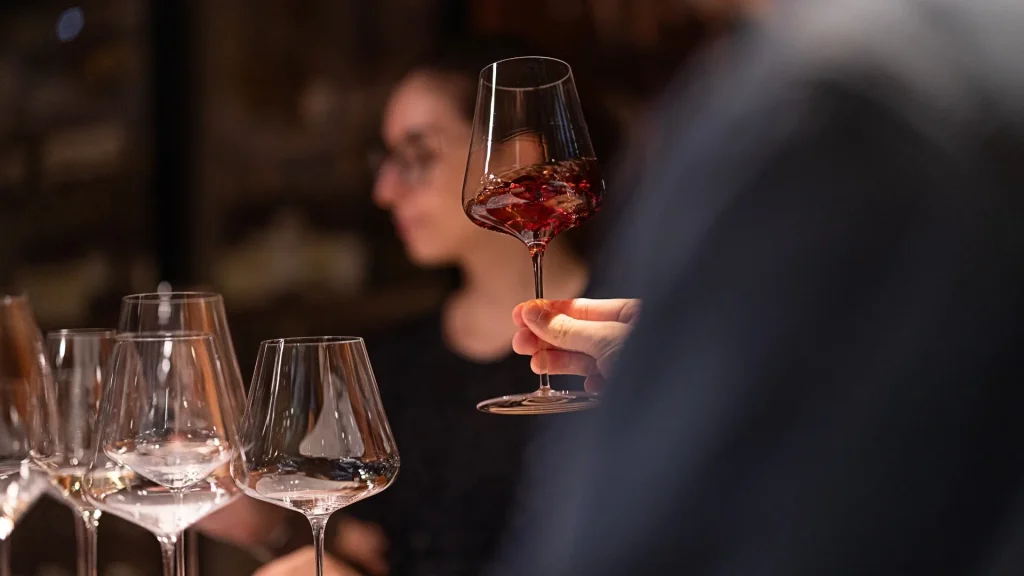
For many, wine is the real reason for the trip, and there’s nothing wrong with admitting it. With hundreds of wineries and similar-sounding names, though, it’s easy to feel lost: here are a few pointers.
Wines to Know: Barolo, Barbaresco, Nebbiolo, Dolcetto and Alta Langa DOCG
Before stepping into a winery, it’s worth getting to know the five Piedmont wines you’ll come across most often. There’s no need to become a sommelier: just know what to expect in your glass.
- Barolo DOCG: 100% Nebbiolo, produced in 11 municipalities (including Barolo, La Morra and Serralunga d’Alba). Full-bodied and tannic, with at least 38 months of aging.
- Barbaresco DOCG: also Nebbiolo, from Barbaresco, Neive and Treiso. More elegant and floral, with at least 26 months of aging.
- Langhe Nebbiolo DOC: Nebbiolo from across the whole Langhe area. Young, fresh and affordably priced.
- Dolcetto: made from the grape of the same name, grown around Alba, Dogliani and Diano d’Alba. Soft and fruity, the everyday wine.
- Alta Langa DOCG: Pinot Noir and Chardonnay from the high hills of southern Piedmont. A traditional-method sparkling wine, always vintage-dated, with at least 30 months on the lees.
To grasp the nuances between the great appellations, read about the differences between Barolo, Barbaresco and Roero.
Large Historic Wineries or Small Producers: Which Experience to Choose
When it comes to the best wineries in the Langhe, it’s worth distinguishing between two very different experiences, each wonderful in its own way:
- Large historic wineries: structured tours, often in several languages, lasting one to one and a half hours. Indicative cost between €25 and €60 per person, with online booking.
- Small producers: the winemaker welcomes you in person. Indicative cost between €15 and €30, sometimes deducted from your purchase; many are closed on Sundays.
Our advice: don’t go beyond two or three tastings over the weekend. Past that point the wines start to taste alike and pleasure gives way to fatigue. A balance that works? A small producer on Saturday after the WiMu and a historic winery on Sunday, as part of the Barbaresco option.
If you’d prefer a guided introduction, discover our Wine Academy, with tastings led by experts.
What to Eat in the Langhe

You eat well in the Langa. The cuisine is generous, tied to the seasons and built on a handful of quality ingredients such as eggs, Piedmontese beef, hazelnuts and, in autumn, truffles. Be ready for lunches that stretch into mid-afternoon.
Here are the dishes to order at least once, with the recommended wine pairing:
- Tajarin: very thin egg noodles made with plenty of yolks, served with meat ragù or butter. Pairing: Langhe Nebbiolo. We cover them in our guide to tajarin.
- Agnolotti del plin: small ravioli sealed with a “pinch”, filled with roast meats. Pairing: Dolcetto d’Alba.
- Carne cruda all’albese: hand-chopped Fassona beef with olive oil, salt and lemon. Pairing: Barbera d’Alba.
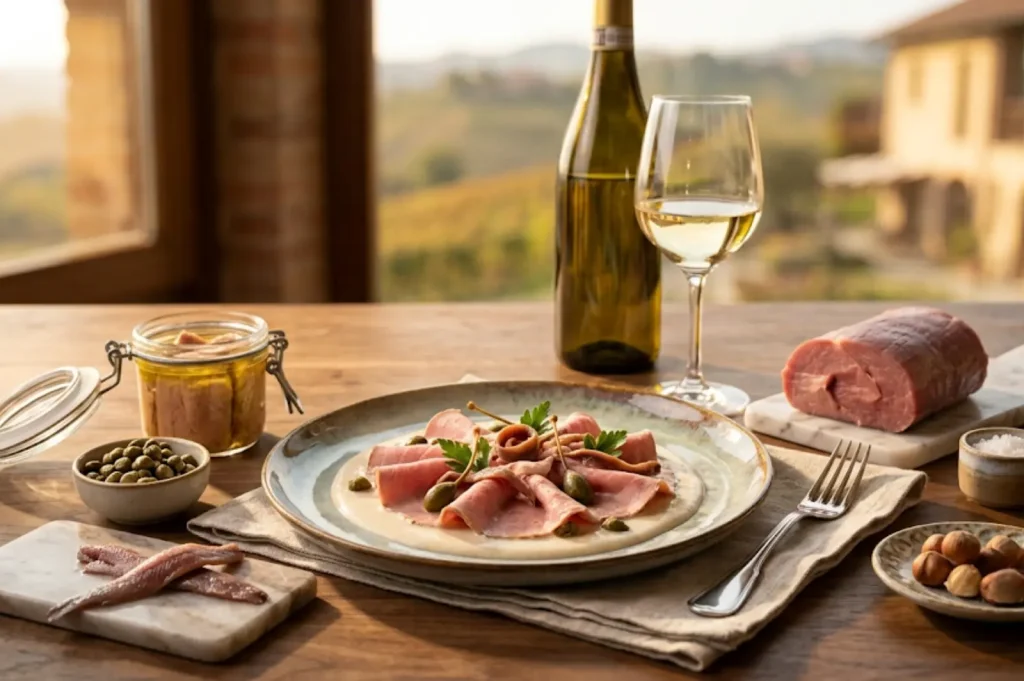
- Vitello tonnato: slices of veal with a tuna and caper sauce. Pairing: a Piedmontese traditional-method sparkling wine.
- Hazelnut cake: the signature dessert, made with Nocciola Piemonte PGI hazelnuts and often served with zabaione. Pairing: Moscato d’Asti.
In the colder months, don’t miss bagna cauda, to be shared in the middle of the table. For a complete overview of what to eat in the Langhe, read our guide to Langhe cuisine.
Alba White Truffle: Season, Prices and How to Enjoy It
The white truffle (Tuber magnatum Pico) is harvested from October 1 to January 31, but the richest period runs from mid-October to late November.
The price may seem intimidating, but here’s how it works:
- prices are quoted per 100 grams and change every week, depending on the vintage and rainfall
- large truffles cost more per gram than small ones
- in restaurants you pay by the gram, and a portion ranges from 8 to 10 grams
Alba white truffle is never cooked: it is shaved raw at the table over simple dishes that let its aroma shine, such as tajarin with butter, a fried egg or fonduta (Piedmontese cheese fondue). Always ask to see and weigh it first: it’s standard practice.
To experience it from another perspective, try a truffle hunting experience in the woods with a trifolao (a local truffle hunter) and his dog.
Where to Stay in the Langhe
After a day of castles, wineries and generous tables, the best part is coming back to a place where you feel at home. With only two days, though, the location of your base matters more than any other detail. Here are the three main options.
- Alba: services and restaurants within walking distance, but no landscape and heavy traffic on Fair weekends.
- A Barolo village (La Morra, Barolo, Monforte d’Alba): dinner within walking distance and vineyard views, but few rooms and high prices in autumn.
- Countryside and hills: peace and quiet, plenty of space, often an on-site spa and restaurant, but you’ll need a car.
The most useful rule of thumb? Choose a hotel in the Langhe that is less than 20 minutes from both the Barolo area and the castles.
Casa di Langa in Cerretto Langhe: Between Bassa Langa and Alta Langa
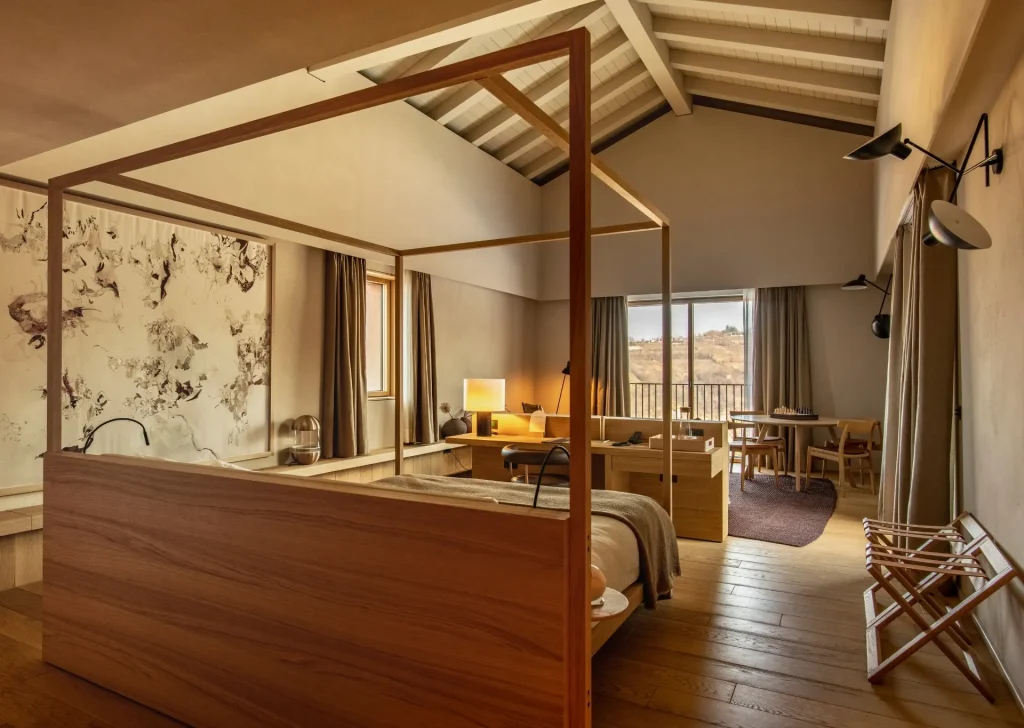
Casa di Langa is located in Cerretto Langhe, right on the border between the two souls of the area mentioned at the start: the wine hills on one side, the hazelnut groves and high woods on the other. A location that pairs perfectly with the itinerary described above:
- Grinzane Cavour Castle: about a 14-minute drive
- Barolo and the WiMu: about an 18-minute drive
In the morning you set off toward Barolo or the castles, and in the evening you return without crossing half of Piedmont. Find out more about our location and destination.
A Luxury Resort Designed to Experience the Landscape
Casa di Langa was born from a clear idea: connecting with the landscape that surrounds it and inviting guests to explore nature and local culture. Its architecture recalls the traditional Langa farmhouses, and the property is surrounded by terraced gardens, a vegetable garden, an orchard and rows of native Langa hazelnut trees. Here, the countryside begins the moment you step out of your room.
After a day among wineries and castles, you’ll find:
- the Fàula restaurant, with local cuisine and ingredients from the vegetable garden;
- the spa, to melt away the fatigue of the climbs;
- the outdoor pool overlooking the hills (open in the warmer months);
- the panoramic terrace and the Sorì Cocktail Bar for a sunset aperitivo.
To choose the accommodation that best suits the two of you, take a look at our rooms and suites, such as the Alta Langa Suite, and at the experiences on offer, from cooking classes to outdoor activities. And if you’d like to turn this itinerary into a tailor-made weekend, discover our special packages.
Frequently Asked Questions (FAQ)
Before we say goodbye, here are the answers to the most common questions from those planning their trip.
Are Two Days Enough to Visit the Langhe?
Two days are enough for a first taste, and they usually leave you wanting to come back. You can see the Barolo area with Alba and La Morra, a couple of castles and one or two wineries. Roero and Monferrato need more time: if you can, add a third day for a second wine appellation or the hilltop villages.
What Is the Best Time for a Weekend in the Langhe?
Autumn is the richest season, with the grape harvest, foliage and the Truffle Fair, from October to early December. If you prefer smaller crowds, spring is an excellent alternative, with green hills and mild days. For a weekend in October or November, book hotels, restaurants and wineries two or three months in advance.
Can You Visit the Langhe Without a Car?
Yes, although with some limitations. Trains and buses reach Alba, but the villages are served by few connections, and even fewer on weekends. The most convenient alternatives are organized tours, private drivers, hotel transfers and e-bikes for short distances: that way you can both raise a glass.
What Are the Most Beautiful Villages to See in the Langhe?
Every village has its own character, but among the villages of the Langhe, here are six not to be missed:
- La Morra: the Belvedere overlooking the Barolo hills.
- Barolo: Falletti Castle and the WiMu.
- Serralunga d’Alba: the 14th-century donjon castle.
- Neive: one of the Most Beautiful Villages in Italy.
- Barbaresco: the tower with its panoramic terrace.
- Monforte d’Alba: steep lanes and an open-air amphitheater.

Waking up surrounded by the gentle hills of Piedmont, where the horizon fades into endless vineyards and skies: this is Casa di Langa. A sustainable haven blending luxury and nature, where you can savor the cuisine at Fàula Restaurant, sip fine wines, indulge in relaxation at Lelòse Spa, and much more.
Discover the stories and secrets of the Langhe on our Blog.